
Ocean Conservation
Care for the coast begins with the people who use it every day.
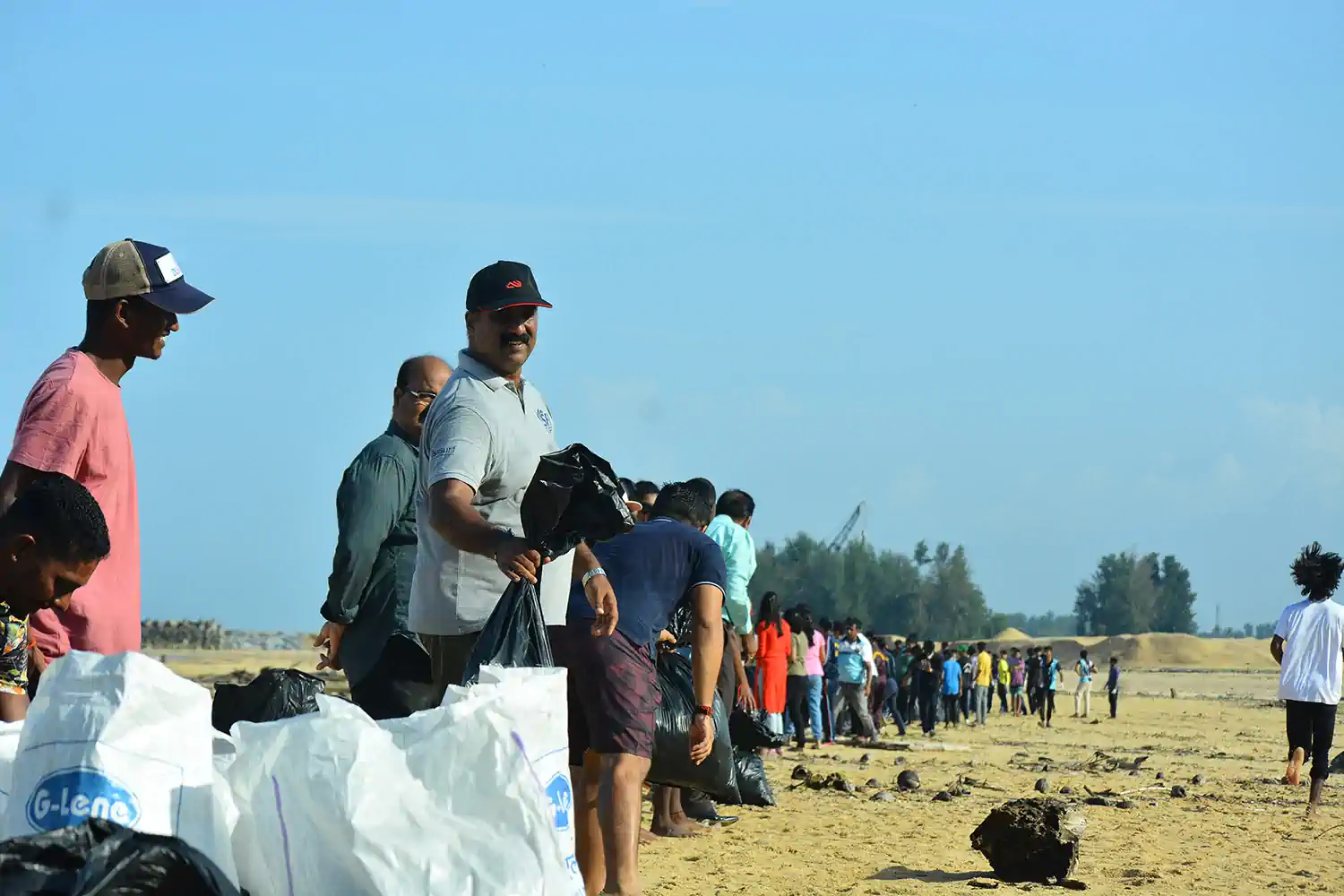
The Foundation works with young people, volunteers, schools, communities and event teams on practical coastal action: cleanups, awareness, participation and better event practices.
How the work happens
Practical action follows a connected route.
The work begins with a local coastal need and connects field action, learning, participation and responsible public practice.
-
Shoreline action
Community cleanup
Community and beach cleanups respond to visible local needs through organised collection, sorting and documented waste handling.
-
Learning
Youth and school learning
Sessions help young people connect their daily use of the coast with waste habits, ocean responsibility and care for shared spaces.
-
Participation
Volunteer participation
Volunteers, community groups and company teams take part through a defined activity, clear roles and practical field coordination.
-
Public practice
Responsible event practice
Foundation events and public activities include practical attention to waste planning, participant guidance and care for the beach.
What counts as evidence
Every activity should leave a clear record.
A cleanup is not measured by a photograph alone. Each published campaign record should show what happened, where it happened, who took part and how the collected waste was handled.
Only confirmed information is published. Where a figure cannot be verified, it is not presented as an outcome.
- Activity record
- Date, location, participating groups and participant count when recorded and verified.
- Collection record
- Collection method, waste categories and verified weight where reliable weighing is available.
- Disposal record
- Transport, receiving route and the method used to move collected waste through the appropriate local channel.
- Documentation
- Photographs, participating-partner acknowledgement and a campaign report or related Field Note.
Support a defined action
Fund the work required for one clear coastal action.
Partners can support a specific cleanup, learning session, volunteer programme or recurring local initiative. Each scope identifies the activity, location, budget, responsibilities and reporting route before the work begins.
One location. One defined need. One budget. One visible record.
Defined support areas
Campaign scope-
Materials
Gloves, collection bags, sorting supplies, safety items and practical field tools.
-
Transport
Moving people, equipment and collected material safely between the activity site and the agreed destination.
-
Volunteer coordination
Activity planning, participant communication, orientation, supervision and on-ground coordination.
-
Education
Youth and school sessions connecting ocean use, waste habits and responsibility for shared coastal spaces.
-
Documentation
Activity records, photography, reporting, partner acknowledgement and evidence of completed work.
-
Waste handling
Sorting, weighing where available, collection transport and coordination with the appropriate local disposal route.